
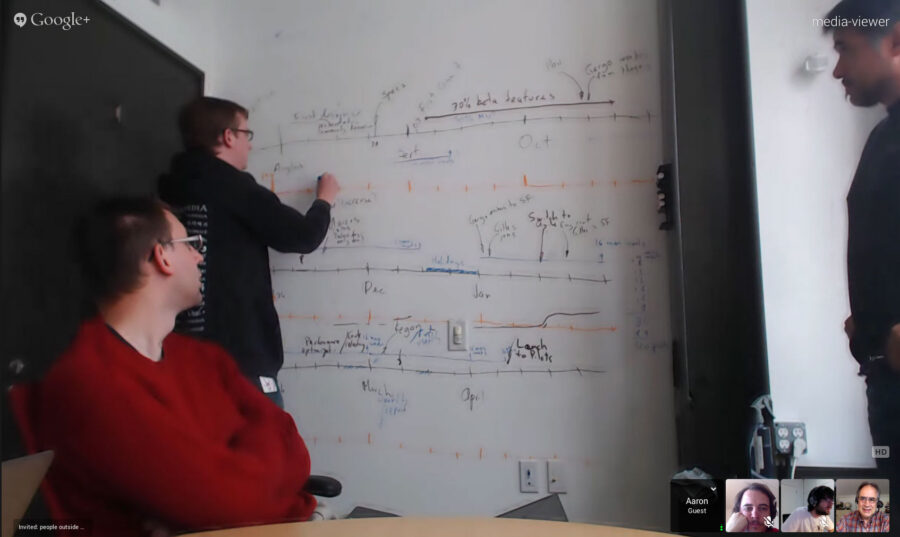
If you want to get ahead at work, mastering running a retrospective is one of the smartest moves you can make. In this guide, we break down exactly what works, what to avoid, and how to put it into practice starting today.
Why this is worth your attention
It is easy to underestimate running a retrospective, yet it quietly shapes your results, your reputation, and the opportunities that come your way. When you treat it as a skill to develop rather than a fixed trait, steady improvement becomes far more achievable.
Staying on track through obstacles
When motivation dips, shrink the task until it feels almost too easy to skip. Getting started is usually the hardest part; once you are in motion, continuing is far simpler than beginning.
Pitfalls that hold people back
The most common mistake is trying to do too much too soon and burning out before the habit sticks. Another is ignoring feedback — the sooner you learn what is not working, the faster you can course-correct.
Quick checklist to get started
- Protect your best hours for your most important work.
- Define one clear, specific goal before you start.
- Ask for feedback early and act on it quickly.
- Prepare your environment in advance to reduce friction.
- Reflect on what worked and repeat it deliberately.
- Track your progress somewhere you will see it daily.
Get the basics right first
The fundamentals are unglamorous but decisive. Nail down a simple, repeatable routine first; you can always layer complexity on top once the foundation holds under pressure.
What to use to make it easier
The right tools remove friction, but they are a support, not a substitute for the habit itself. Start simple — a notebook or a single app is plenty — and only add more once you have outgrown what you have.
Final thoughts
You now have a practical roadmap for running a retrospective. The only thing left is to start. Choose your first step, take it today, and refine as you go.