
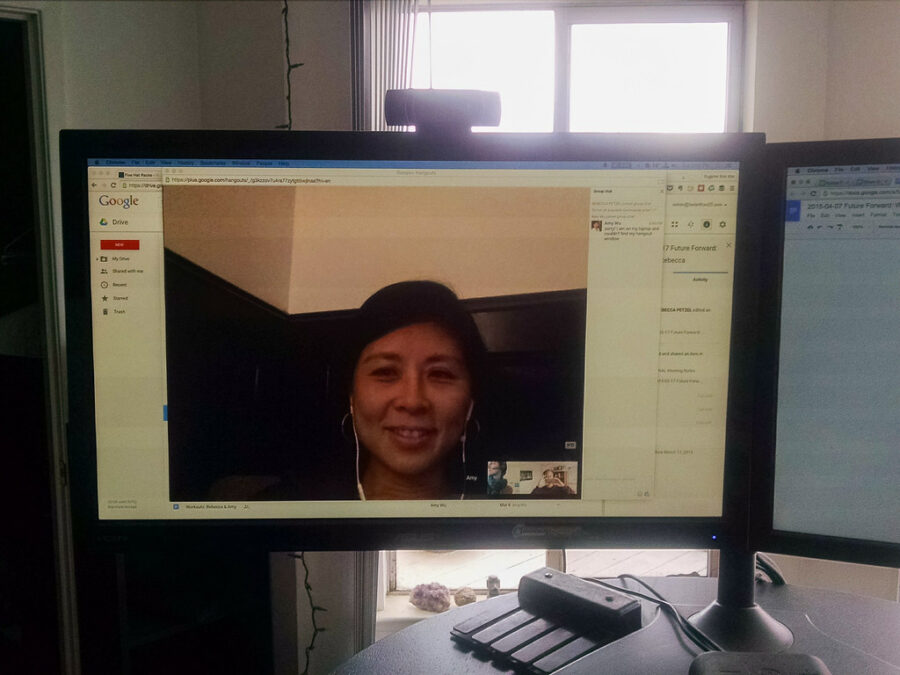
Effective one-on-one meetings sounds simple, but doing it well takes the right approach. Below you will find a clear, no-fluff walkthrough you can actually use — plus the mistakes that quietly hold most people back.
When things get hard
Setbacks are part of the process, not a sign you have failed. Expect them, plan for them, and treat each one as data that tells you what to adjust next rather than a reason to quit.
Start with the fundamentals
The fundamentals are unglamorous but decisive. Nail down a simple, repeatable routine first; you can always layer complexity on top once the foundation holds under pressure.
Pitfalls that hold people back
The most common mistake is trying to do too much too soon and burning out before the habit sticks. Another is ignoring feedback — the sooner you learn what is not working, the faster you can course-correct.
Quick checklist to get started
- Prepare your environment in advance to reduce friction.
- Review your week and plan the next one every Friday.
- Schedule the work instead of leaving it to chance.
- Focus on consistency over intensity every single time.
- Never miss the same habit two days in a row.
- Reflect on what worked and repeat it deliberately.
What to use to make it easier
Pick tools that fit how you already work rather than forcing a whole new system. The best setup is the one you will actually keep using a month from now, not the one with the most features.
Measuring your progress
What gets measured gets improved. Choose one or two simple indicators, review them weekly, and let the trend — not any single day — tell you whether your approach is paying off.
Final thoughts
Mastering effective one-on-one meetings is a marathon, not a sprint. Start small, stay consistent, and let the results build — a few months of steady effort will take you further than you expect.